






A home’s long-term value is influenced by more than square footage, renovations, and curb appeal. The condition of the surrounding neighborhood, quality of shared amenities, financial health of a homeowners association, and consistency of community management can all shape how buyers perceive a property. For Orange County homeowners, particularly those living in master-planned and HOA-managed communities, what happens beyond the property line can matter when it comes time to sell.
Homeowners associations remain a significant part of the U.S. housing landscape. According to the National Association of Home Builders, 65.7% of new single-family homes built in 2024 were located within a community or homeowners association—651,873 homes nationwide. While an HOA cannot control broader real estate conditions, thoughtful management can help preserve the appearance, functionality, financial stability, and overall appeal of a neighborhood.
How Does Community Management Affect Property Values?
Buyers are not simply purchasing a house. They are evaluating the lifestyle and environment that surround it. Well-kept entrances, maintained landscaping, clean common areas, functioning amenities, and a neighborhood that appears consistently cared for can create a stronger first impression.
Just as importantly, effective community management helps address issues before they become larger and more expensive problems. Consistent maintenance, responsible budgeting, adequate reserves, transparent communication, and well-managed shared spaces can reduce preventable deterioration and contribute to a neighborhood that remains attractive to current residents and future buyers.
Why Community Management Matters Across Orange County
These considerations can be especially relevant throughout Orange County’s diverse collection of planned, gated, coastal, and amenity-rich neighborhoods. Communities such as Aliso Viejo, Coto de Caza, Ladera Ranch, Laguna Hills, Laguna Niguel, Lake Forest, Mission Viejo, and Tustin offer different combinations of shared spaces, neighborhood standards, recreational facilities, landscaping, and association-managed amenities.
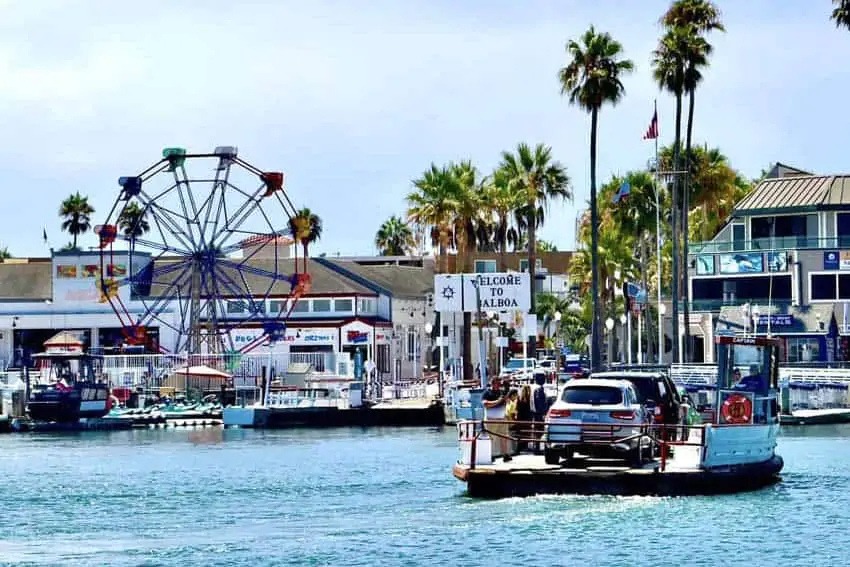
Along the coast, community presentation and shared-property maintenance can also influence the experience of living in destinations such as Balboa Island, Capistrano Beach, Corona del Mar, Crystal Cove, Dana Point, Huntington Beach, Laguna Beach, Monarch Beach, Newport Beach, and Newport Coast.
Master-planned and luxury residential enclaves such as Irvine, Shady Canyon, San Clemente, Talega, and San Juan Capistrano may likewise depend on thoughtful stewardship of shared infrastructure, community landscaping, private amenities, and architectural standards.
Even markets with a different residential character, including Costa Mesa, can include condominium, townhome, gated, and association-managed properties where buyers should evaluate HOA finances and community conditions alongside the residence itself. The same principles extend beyond Orange County to resort-oriented communities in Palm Desert, where association-managed landscaping, pools, golf amenities, gates, and other shared features can play a significant role in the ownership experience.
Consistent Maintenance Protects Curb Appeal
First impressions begin well before a prospective buyer reaches the front door. Landscaping, entry monuments, lighting, streets, sidewalks, gates, fencing, common-area buildings, and other shared features all contribute to the visual identity of a community.
Preventive maintenance is especially important. Routine inspections and scheduled upkeep can identify minor issues before they become costly repairs. Tree care, roof inspections, pavement maintenance, pool servicing, irrigation checks, exterior painting, and equipment inspections all help preserve community assets over time.
A documented maintenance plan also gives an HOA board a clearer roadmap for prioritizing projects. Rather than reacting only when something breaks, a well-managed association can anticipate needs, budget accordingly, and address visible problems before they affect the resident experience or neighborhood appearance.
Why HOA Financial Health Matters to Homeowners
An attractive community requires more than good landscaping. It also requires sound financial planning behind the scenes. HOA budgets typically account for expenses such as insurance, utilities, landscaping, maintenance, repairs, professional services, staffing, and administration.
Keeping monthly dues artificially low can appear attractive in the short term, but underfunding routine expenses or future projects may create larger problems later. When an association lacks sufficient funds, needed work may be postponed or homeowners may face unexpected special assessments.
Healthy reserve funds are particularly important because major community assets eventually require repair or replacement. Depending on the property, reserve expenses may include roofs, roads, elevators, exterior paint, retaining walls, mechanical systems, gates, pools, and other shared infrastructure.
Associations that periodically review reserve studies and adjust financial plans for changing labor, material, and construction costs are generally better positioned to complete necessary projects on schedule.
What Are HOA Reserves + Why Do They Matter?
An HOA reserve fund is money set aside for major repairs and replacement of shared community assets. Unlike the operating budget, which typically covers recurring expenses, reserves are intended for larger projects that may occur only every several years.
For homeowners and prospective buyers, reserves can provide insight into how prepared an association may be for future expenses. A community with significant upcoming projects but inadequate reserves may need to delay improvements, increase assessments, or impose a special assessment on owners.
Buyers considering an HOA-managed property should review available association documents carefully, including budgets, reserve information, recent meeting minutes, assessments, and planned capital projects.
Professional HOA Management Can Improve Day-to-Day Operations
HOA boards are typically composed of homeowner volunteers. Board members may understand their community well, but managing vendors, contracts, maintenance schedules, financial records, resident requests, meetings, and regulatory obligations can require significant time and specialized knowledge.
Professional community management can help coordinate these responsibilities. A qualified management team may assist with vendor oversight, maintenance scheduling, contract administration, homeowner communication, recordkeeping, collections, budgeting, and board meetings.
The objective is not simply administrative convenience. Better organization can help boards complete projects on time, communicate more effectively, and respond to maintenance needs before they become larger concerns.
Well-Maintained Amenities Can Strengthen Buyer Appeal
Community amenities often play an important role in how buyers compare neighborhoods. Pools, clubhouses, fitness centers, parks, playgrounds, sports courts, walking paths, landscaped gathering spaces, and other shared features can enhance day-to-day living when they are functional and well maintained.
Those amenities also require ongoing investment. Pools need routine servicing and equipment inspections. Fitness centers require cleaning and equipment maintenance. Clubhouses, parks, playgrounds, and recreation facilities need periodic repairs and safety reviews.
More amenities do not automatically make a community more valuable. Quality, usefulness, condition, and financial sustainability matter. In many cases, maintaining existing high-use amenities may deliver more benefit than continually adding new features that increase long-term operating expenses.
How Good HOA Governance Supports a Stronger Community
Financial planning and physical maintenance are only part of effective community management. Communication and governance also shape the homeowner experience.
Residents are more likely to understand major decisions when HOA boards clearly explain proposed projects, costs, timelines, rule changes, and assessments. If a community plans to replace roofs, renovate a clubhouse, change parking regulations, or increase dues, communicating the reasons behind the decision can reduce confusion and help homeowners plan ahead.
Consistent rule enforcement also matters. Community standards can help maintain appearance and order, but rules that are unclear, inconsistently enforced, or unnecessarily restrictive can create tension. Effective governance balances neighborhood standards with reasonable expectations for homeowners.
Can Poor HOA Management Hurt Property Values?
Poor management does not automatically determine a home’s market value, but it can create factors that make a community less appealing to buyers. Deferred maintenance, deteriorating common areas, neglected amenities, inadequate reserves, repeated special assessments, unresolved disputes, and inconsistent communication can all raise questions for prospective purchasers.
Visible deterioration can be particularly damaging because buyers may interpret it as a sign of larger financial or operational problems. Even when the individual property is beautifully maintained, concerns about the surrounding community can affect the overall buying decision.
What Should Home Buyers Look for in an HOA Community?
Before purchasing a home in an HOA-managed neighborhood, buyers should look beyond the condition of the individual property. Reviewing the broader community can provide useful context about both lifestyle and potential future expenses.
Pay attention to landscaping, streets, common areas, amenities, building exteriors, and signs of deferred maintenance. When documents are available, review the HOA budget, reserve information, meeting minutes, insurance information, current assessments, pending projects, and community rules.
A well-presented neighborhood is important, but strong finances and responsible planning can be just as meaningful over the long term.
Community Management + Property Value: At a Glance
| Community Factor | Why It Matters | What Homeowners Should Watch |
|---|---|---|
| Maintenance | Supports curb appeal and helps prevent deterioration | Landscaping, roads, lighting, roofs, paint, and common areas |
| Financial Planning | Helps fund routine operations and future projects | Budgets, assessments, collections, and projected expenses |
| Reserve Funds | Provides funding for major repairs and replacements | Reserve studies, funding levels, and upcoming capital projects |
| Amenities | Can strengthen lifestyle appeal when useful and maintained | Condition, safety, usage, and ongoing operating costs |
| Governance | Builds homeowner confidence and community stability | Communication, transparency, meetings, and consistent enforcement |
| Professional Management | Helps coordinate vendors, maintenance, records, and operations | Responsiveness, project execution, contracts, and communication |
The Bottom Line for Orange County Homeowners
No homeowners association can control interest rates, inventory, buyer demand, or broader housing-market conditions. But community management can influence factors that homeowners and buyers experience directly: maintenance, financial preparedness, amenities, communication, and neighborhood appearance.
Over time, communities that maintain their shared assets, plan responsibly for future expenses, communicate clearly, and manage amenities sustainably may be better positioned to preserve desirability. For homeowners, understanding how an HOA is managed can be an important part of protecting both the lifestyle and investment associated with a property.