






Home should feel like a place where you can reset. Yet clutter, harsh lighting, visual noise, and even an uninviting entryway can make it harder to relax at the end of the day.
Fortunately, creating a calmer home does not necessarily require a major renovation. A few thoughtful changes to lighting, color, organization, greenery, and bedroom design can make your surroundings feel noticeably more peaceful.
Here are 10 simple ways to create a home that feels more comfortable, restorative, and serene.
1. Add Greenery Throughout Your Home
Houseplants are one of the easiest ways to soften an interior and bring a little nature indoors.
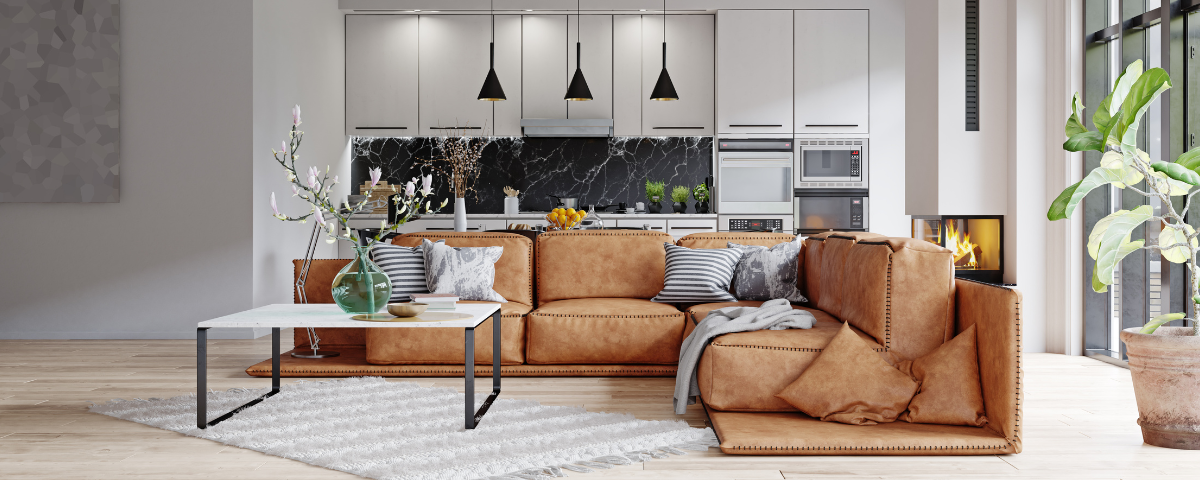
Whether you prefer a statement plant in the living room, herbs in the kitchen, or smaller plants on shelves and side tables, greenery can add color and texture without making a space feel busy.
Choose plants that fit the available light and your preferred level of maintenance. Even a few thoughtfully placed plants can make a room feel fresher and more inviting.
2. Hide Cords + Electronics When Possible
Technology is part of modern life, but tangled cords, chargers, remotes, and unused devices can quickly create visual clutter.
Consider routing cords behind furniture, using cable-management solutions, choosing wireless devices where practical, and dedicating a drawer or cabinet to chargers and small electronics.
The goal is not to eliminate technology. It is simply to keep it from dominating the room when it is not being used.
3. Make Space for Your Pets
For many households, pets are an important part of what makes home feel comforting.
Rather than treating pet beds, toys, feeding stations, and supplies as afterthoughts, create intentional places for them. A designated basket for toys, an attractive feeding area, or a comfortable bed tucked into a quiet corner can help pets feel at home without adding unnecessary clutter.
A well-planned pet-friendly space can be both functional and visually cohesive.
4. Clear the Clutter
Few changes can transform the feeling of a room as quickly as removing excess belongings.
Start with the surfaces you see most often: kitchen counters, coffee tables, bathroom vanities, nightstands, and entry consoles. Give frequently used items a designated home and store or donate things that no longer serve a purpose.
You do not need to embrace extreme minimalism. The objective is simply to create enough visual breathing room for the home to feel organized rather than overwhelming.
5. Choose Calmer Colors
Bold color can add personality, but softer palettes often create a more restful atmosphere.
Warm neutrals, muted greens, understated blues, soft grays, and other nature-inspired shades can provide color without overwhelming a room.
If you love richer tones, consider using them selectively through cabinetry, an accent wall, artwork, or textiles while keeping the larger visual foundation more subdued.
6. Create a More Welcoming Entryway
Your entry sets the tone for the rest of the home.
Keep the area relatively clear and give everyday items such as keys, bags, shoes, and mail designated places. A mirror, console, small bench, plant, or piece of artwork can add personality without creating unnecessary clutter.
Even if you usually enter through the garage, an organized front entry helps the home feel more intentional whenever you or your guests walk through the door.
7. Soften Your Lighting
Lighting has an immediate effect on how a room feels.
Instead of relying exclusively on bright overhead fixtures, layer different light sources throughout the home. Table lamps, floor lamps, sconces, under-cabinet lighting, and dimmers can provide greater control over the atmosphere.
During the day, maximize natural light when possible. In the evening, lower, warmer lighting can help living spaces feel noticeably more comfortable.
8. Limit Busy Patterns
Patterns can add character, but too many competing prints may create more visual activity than you want in a relaxing room.
Try building the space around solids and subtle textures, then introduce pattern selectively through pillows, rugs, artwork, or upholstery.
Tone-on-tone stripes, herringbone, small-scale prints, and textured fabrics can add depth without making the space feel overly busy.
9. Bring Home Fresh Flowers
A simple arrangement of fresh flowers can immediately make a room feel cared for.
You do not need an elaborate bouquet. A few branches, seasonal blooms, or greenery in a favorite vase can add color and life to a kitchen, dining room, entry, or bedside table.
It is a small detail, but one that can make everyday spaces feel more finished and welcoming.
10. Turn Your Primary Bedroom Into a Retreat
If there is one room where calm should take priority, it is the primary bedroom.
Begin by reducing clutter and choosing a restrained color palette. Then focus on comfort with quality bedding, soft textures, appropriate window treatments, and lighting that can be lowered at night.
Keep work materials and unnecessary electronics out of sight when possible. The fewer visual reminders of unfinished tasks, the easier it may be to let the room function as a true retreat.
10 Calming Home Ideas at a Glance
| Idea | Simple Approach |
|---|---|
| Greenery | Add plants and natural elements throughout the home. |
| Electronics | Conceal cords, chargers, and devices when they are not in use. |
| Pets | Create organized spaces for beds, toys, and supplies. |
| Clutter | Clear busy surfaces and give everyday items a home. |
| Color | Favor muted, nature-inspired tones for a softer atmosphere. |
| Entryway | Keep the arrival area clean, organized, and welcoming. |
| Lighting | Layer fixtures and use dimmers instead of relying on harsh overhead light. |
| Patterns | Use solids, textures, and restrained patterns to reduce visual noise. |
| Flowers | Use seasonal blooms or branches to bring life into a room. |
| Primary Bedroom | Prioritize comfort, soft textures, restful colors, and minimal clutter. |
How Can You Make Your Home Feel Calmer Without Remodeling?
Start with the changes that cost little or nothing.
Clear visible clutter, reposition furniture, hide cords, open window coverings during the day, reorganize your entry, and remove items that make rooms feel crowded.
Then consider smaller additions such as plants, flowers, softer lighting, or new textiles. These relatively simple changes can alter the atmosphere of a home without construction or a large decorating budget.
Why a Peaceful Home Is About More Than Décor
A calming home is not defined by one particular design style. Coastal, contemporary, traditional, organic modern, and minimalist interiors can all feel peaceful when the space is organized, comfortable, and visually balanced.
Ultimately, the goal is to create surroundings that support the way you want to live.
That may mean a bright kitchen with clear countertops, a living room filled with plants and natural light, or a quiet primary suite that feels removed from the pace of the rest of the day.
The Bottom Line
You do not need to redesign your entire home to make it feel more peaceful.
Start with clutter, lighting, color, and organization. Add greenery and natural elements. Pay special attention to the spaces where you arrive, relax, and sleep.
A series of small, intentional changes can help transform the home you already have into a place that feels noticeably calmer.
Source inspiration: RealtyTimes.com